
Health Markers Men Over 40 Should Monitor
Essential indicators that reveal your true health status and help you take control of your well-being during your most important years.
The information on this site is for educational purposes only and does not constitute medical advice. Always consult a qualified healthcare professional before making health decisions.
Why Men Over 40 Need Regular Monitoring
Age brings changes that demand attention. Understanding these health markers helps you stay informed and proactive about your wellness journey.
Cardiovascular Changes
Blood pressure and cholesterol patterns shift with age, requiring regular monitoring to prevent serious complications.
Metabolic Shifts
Glucose tolerance and metabolic function evolve as men age, making periodic checks essential for early awareness.
Muscle & Bone Density
Lean mass decreases naturally over time. Tracking these markers helps you maintain strength and bone health.
Cognitive & Hormonal Health
Hormone levels and cognitive function benefit from awareness and proactive lifestyle adjustments.
Core Health Markers Explained
These are the vital indicators every man over 40 should understand. Each tells a unique story about your health status.
Blood Pressure
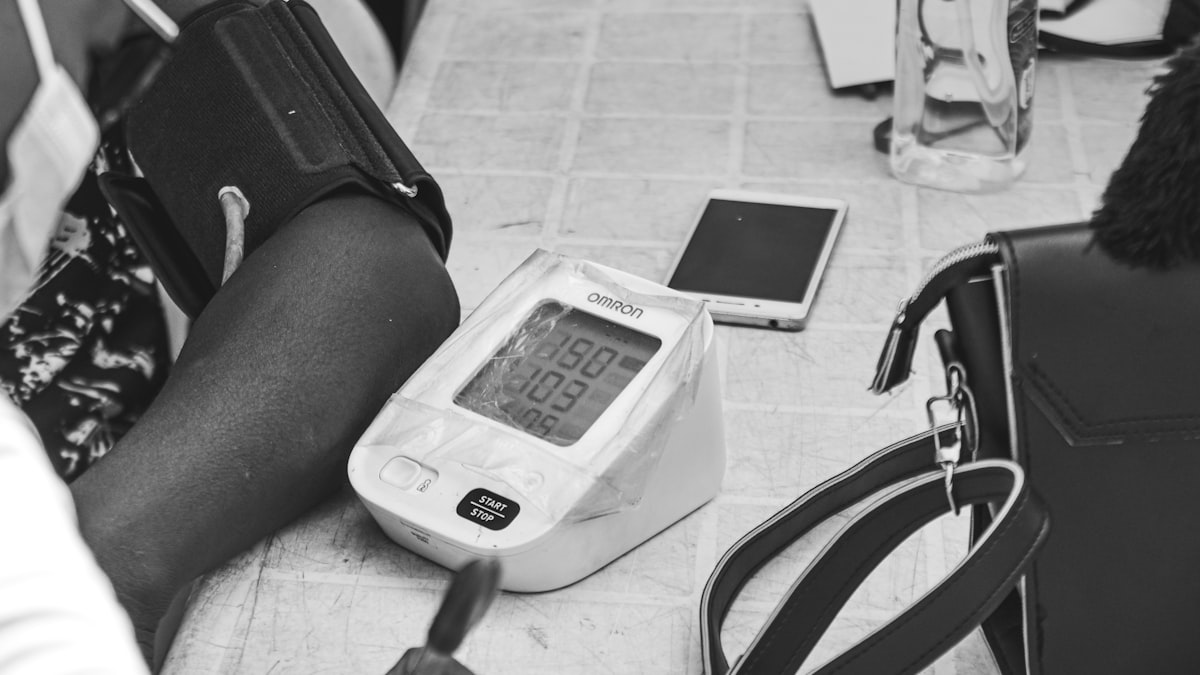
Your blood pressure reflects how hard your heart is working to pump blood. A reading of 120/80 or lower is considered normal. After 40, many men experience gradual increases that warrant regular checks every one to two years, or more frequently if elevated.
- Normal: Less than 120/80 mmHg
- Elevated: 120-129 systolic and less than 80 diastolic
- Stage 1 High: 130-139 systolic or 80-89 diastolic
Why it matters: High blood pressure increases risk to your heart and kidneys over time.

Cholesterol Levels
Cholesterol comes in two main forms: LDL (low-density lipoprotein) and HDL (high-density lipoprotein). Total cholesterol under 200 mg/dL is ideal, but the ratio between types matters significantly. Men over 40 should have cholesterol checked every four to six years, or annually if levels are already elevated.
- Total Cholesterol: Less than 200 mg/dL is desirable
- LDL Cholesterol: Less than 100 mg/dL is optimal
- HDL Cholesterol: 40 mg/dL or higher is protective
Why it matters: Cholesterol buildup narrows arteries and restricts blood flow.
Blood Sugar & Glucose
Blood glucose levels reveal how your body processes carbohydrates and manages energy. A fasting glucose under 100 mg/dL is normal. After 40, glucose tolerance naturally decreases, making periodic fasting glucose checks and HbA1c tests every three years valuable for early awareness and lifestyle planning.
- Fasting Glucose: Less than 100 mg/dL is normal
- Impaired Fasting: 100-125 mg/dL requires attention
- HbA1c: Below 5.7% shows good average control
Why it matters: Blood sugar management affects energy, weight, and long-term health trajectory.

Liver Function & Kidney Health
Liver enzymes (ALT, AST) and kidney function markers (creatinine, eGFR) show whether these vital organs are working efficiently. Annual checks from age 40 onward help catch subtle changes early. These organs handle filtration and detoxification, and both naturally decline with age if not supported.
- ALT: 7-56 IU/L is normal range
- eGFR: 60 or higher shows adequate kidney function
- Creatinine: 0.7-1.3 mg/dL indicates normal kidney clearance
Why it matters: These organs filter waste and maintain metabolic balance—early signs of decline are often silent.
Thyroid Function
Thyroid hormones regulate metabolism, energy, and mood. TSH (thyroid-stimulating hormone) levels indicate whether your thyroid is operating optimally. Men over 40 should have TSH checked every five years, or sooner if experiencing fatigue, weight changes, or mood shifts that don't match your lifestyle.
- TSH: 0.4-4.0 mIU/L is the typical normal range
- Free T4: 0.8-1.8 ng/dL shows thyroid hormone availability
- Symptoms to watch: Unexplained fatigue, weight gain, cold sensitivity
Why it matters: Thyroid imbalances are common in middle age and directly affect how you feel daily.

Complete Blood Count & Hemoglobin
Hemoglobin and hematocrit levels show oxygen-carrying capacity of your blood. Red blood cell count, white blood cell count, and platelets reveal infection risk and clotting health. Annual CBC checks from 40 onward establish baselines and catch gradual shifts early.
- Hemoglobin: 13.5-17.5 g/dL is normal for adult men
- Hematocrit: 38.8%-50% indicates adequate oxygen transport
- WBC Count: 4.5-11.0 K/uL shows immune function
Why it matters: These numbers reveal energy capacity, immune status, and underlying nutritional adequacy.
Critical Tests & Screenings by Category
Organize your monitoring routine by health area. Each category includes the key checks that matter most for men over 40 in the Philippines.
Cardiovascular Screening
- Blood pressure (annual)
- Cholesterol panel (every 4-6 years)
- Triglycerides (with cholesterol)
- EKG if risk factors present
- Resting heart rate assessment
Heart health is foundational—consistent monitoring prevents surprises.
Metabolic & Glucose Health
- Fasting glucose (every 3 years)
- HbA1c test (glycated hemoglobin)
- Insulin levels (if elevated glucose)
- Vitamin B12 and folate
- Vitamin D levels (seasonal check)
Metabolic awareness helps you fuel your body correctly.
Organ Function Panel
- Liver enzymes (ALT, AST)
- Kidney function (creatinine, eGFR)
- Albumin and protein levels
- Bilirubin (liver health marker)
- Urine analysis (annual)
Liver and kidney function are quiet but critical—regular checks catch decline early.
Hormonal & Thyroid Health
- TSH (thyroid stimulating hormone)
- Free T4 (thyroid hormone)
- Cortisol levels (stress hormone)
- Testosterone (if energy concerns)
- Iron levels and ferritin
Hormones regulate energy, mood, and growth—balance is essential.
Blood Health & Immunity
- Complete blood count (hemoglobin)
- White blood cell count
- Platelet count (clotting ability)