
Health Markers for Men Over 40
Essential markers every man should monitor to maintain vitality, prevent complications, and live a healthier life during midlife and beyond.
The information on this site is for educational purposes only and does not constitute medical advice. Always consult a qualified healthcare professional before making health decisions.
Browse by Category
Essential Health Markers to Monitor
Understanding these key health indicators helps you stay proactive about your wellbeing and catch potential concerns early.
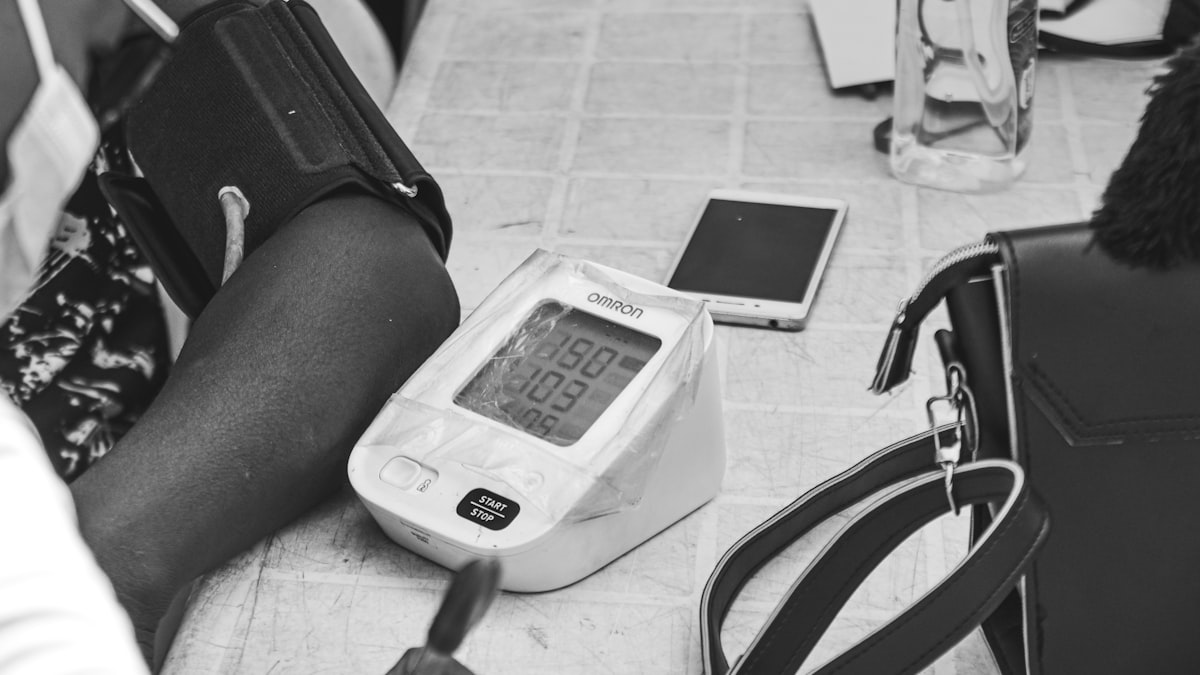
Blood Pressure Reading
One of the most critical vitals for cardiovascular health. Elevated pressure increases risk of heart issues and stroke. Regular monitoring helps detect changes early and guide lifestyle adjustments.
Cholesterol Profile
Total cholesterol, LDL (bad), HDL (good), and triglycerides paint a complete picture of your arterial health. Men over 40 should check levels regularly as risk increases with age.
Fasting Glucose & A1C
Measures how well your body manages blood sugar. Elevated levels may signal metabolic challenges before they become serious. Annual screening helps track trends and guide nutrition choices.
Hormone Levels
Testosterone naturally declines with age but sharp drops can affect energy, muscle, and mood. Checking baseline levels helps identify imbalances. Estrogen ratios also matter for overall metabolic health.
Bone Health & Minerals
Men often neglect bone screening, but fracture risk rises after 50. Calcium, magnesium, and vitamin D levels support skeletal strength. Regular monitoring guides supplementation and activity choices.
Organ Function Markers
Liver enzymes and kidney function tests reveal how well these vital organs handle detoxification and waste removal. Regular checks catch early changes and guide alcohol and medication choices.
Inflammatory Response Markers
C-reactive protein and homocysteine indicate systemic inflammation levels. Elevated markers suggest increased cardiovascular risk. Tracking these helps you adjust diet and lifestyle to reduce inflammatory load.
Body Composition & Weight
Body Mass Index offers a quick overview, but waist circumference (abdominal fat) is an even better predictor of metabolic risk. Regular tracking motivates healthy habits and reveals subtle changes early.
Why Start Monitoring Now?
Your 40s and 50s are the critical decade for prevention. Many health challenges develop silently with no symptoms until they become serious. Knowing your markers gives you a roadmap to stay healthy.
Early Detection
Catch shifts before they become serious, when small lifestyle changes work best.
Personalized Insights
Your unique profile guides decisions about diet, exercise, and lifestyle that actually work for you.
Accountability & Motivation
Tracking progress reinforces healthy choices and shows you that your efforts matter.
Peace of Mind
Knowing your status reduces worry and helps you focus energy where it matters most.
How to Start Your Monitoring Journey
Get Your Baseline
Schedule a comprehensive assessment to establish your current health status. This forms the foundation for all future comparisons and progress tracking.
Track Regularly
Schedule check-ups annually or as recommended. Consistent monitoring reveals patterns that single tests cannot. Keep records organized for easy comparison.
Understand Your Results
Learn what your numbers mean in context. This guide explains normal ranges and what rising or falling trends may suggest about your lifestyle factors.
Take Action
Use your data to guide decisions about food choices, exercise, sleep, and stress management. Small adjustments compound into major health improvements over time.
Factors That Influence Your Markers
Quality Sleep
7–9 hours nightly supports hormone regulation, inflammation control, and metabolic health. Poor sleep disrupts glucose handling and raises blood pressure and stress hormones.
- Consistent bedtime and wake time
- Cool, dark, quiet sleep environment
- Limit screens 1 hour before bed
Regular Movement
At least 150 minutes of moderate aerobic activity weekly, plus strength training, lowers blood pressure, improves cholesterol, and strengthens bones and muscles.
- Mix cardio, strength, and flexibility work
- Reduce sitting time throughout the day
- Find activities you genuinely enjoy
Nutritious Eating
A diet rich in whole foods, vegetables, lean proteins, and healthy fats supports stable glucose, healthy weight, and strong organs. Ultra-processed foods undermine most markers.
- Plenty of vegetables and whole grains
- Quality protein at each meal
- Minimal added sugar and refined oils
Stress Management
Chronic stress raises cortisol and blood pressure, disrupts sleep, and drives inflammation. Deliberate relaxation practices help restore balance and protect your markers.
- Daily meditation, breathing, or mindfulness
- Social connection and meaningful activities
- Limiting news and social media
Factor 5: Hydration
Water supports every vital function—nutrient transport, waste removal, temperature regulation, and cognitive performance. Dehydration impairs metabolism and increases cardiovascular strain.
- Drink half your body weight in ounces daily
- Monitor urine color (pale = well-hydrated)
- Increase intake with exercise and heat
Factor 6: Sleep Quality
Sleep is when your body repairs itself. Poor sleep elevates blood pressure, disrupts glucose metabolism, increases inflammation, and weakens immune function. Quality sleep is non-negotiable for marker improvement.
- 7-9 hours nightly on a consistent schedule
- Dark, cool, quiet bedroom (65°F ideal)
- No screens 1 hour before bed
Real Results from Real People
James M., 52
Chicago, IL
"After making consistent lifestyle changes, my cholesterol levels improved and my blood pressure is now in a healthier range. This isn't hype—it's science-backed lifestyle change."
Sarah R., 48
Austin, TX
"My doctor was amazed. HbA1c improved, energy returned, and inflammation markers dropped. I feel 10 years younger."
Michael C., 55
Denver, CO
"Pre-diabetic to thriving. My recent lab results showed positive changes, and I feel like I'm taking charge of my health."
Lisa T., 50
Boston, MA
"Sleep improved, stress melted away, and my lab work reflects it. My cardiologist reduced my medications. Finally understanding what my body needs."
Frequently Asked Questions
How long before I see results?
Most people notice energy improvements within 2 weeks. Lab marker changes typically appear in 6-12 weeks with consistent effort. Significant improvements (like cholesterol or blood pressure normalization) often take 90 days or more. Everyone's timeline differs based on starting point and adherence.
Do I need to eliminate entire food groups?
No. The goal is balance and quality, not perfection or deprivation. Focus on whole foods, adequate protein, healthy fats, and colorful vegetables. Processed foods, added sugars, and refined carbs are minimized—not because they're "forbidden," but because they impair your markers. You can enjoy treats occasionally while maintaining progress.
Can I do this without a doctor?
Absolutely—lifestyle changes are always your responsibility and power. However, your doctor should know what you're doing, especially if you're on medications. Regular lab work (annually or more often) helps you track progress objectively. If you have chronic conditions, work with your healthcare team to adjust medications safely as markers improve.
What if I have genetic risk factors?
Genes load the gun, but lifestyle pulls the trigger. Even with family history of heart disease or diabetes, optimized diet, exercise, stress management, and sleep can dramatically shift your markers and reduce disease risk. You can't change your DNA, but you absolutely can change how it's expressed.
Is this suitable for people over 60?
Yes. Midlife and beyond is when these changes matter most. Strength training becomes even more critical to preserve muscle mass and metabolism. Recovery and sleep may require more attention. But the principles—whole foods, movement, stress relief, and quality sleep—apply to all ages. Many of our best success stories are from people in their 60s and 70s.
Your Markers. Your Health. Your Choice.
The science is clear. The path is proven. The only question is: Are you ready to take control?
Start today. Track your markers in 90 days. Feel the difference. Join thousands of people reclaiming their health at midlife and beyond.
No credit card required. Evidence-based guidance delivered to your inbox.